Chennai to Rameswaram: The Ultimate Self-Drive Pilgrimage Route
Book a self-drive car for your Chennai to Rameswaram road trip and enjoy flexible travel, easy booking, and reliable support throughout your journey. IndusGo offers affordable self-drive car rentals in Chennai and major cities across India.
Chennai to Rameswaram: The Ultimate Self-Drive Pilgrimage Route
Chennai to Rameswaram is one of those drives that stays with you long after you return. Across roughly 580 to 615 kilometers, depending on the route you take, the road passes through temple towns, Tamil Nadu's eastern coastline, and a sea crossing that most travelers remember as the favorite part of the entire journey.
This guide covers distance, route options, major stops including Puducherry, Thanjavur, Pamban Bridge, Dhanushkodi, and Rameswaram, along with toll planning, food breaks, parking, and the best time to make the trip.
How far is Rameswaram from Chennai, and how long does the drive take?
The distance from Chennai to Rameswaram is approximately 580 kilometres via the inland route and around 615 kilometres via the coastal route. Driving time ranges from 9 to 11 hours without extended stops.
Most visitors take two days to make the trip, stopping over in Trichy or Madurai. This way, the drive is not too long, and you'll have time to stop in the major towns.
Which is the best route from Chennai to Rameswaram?
Both routes to Rameswaram are well connected and drivable throughout the year. The best route depends on how you want to experience the journey. If your goal is to reach Rameswaram easily, the inland route is the more practical answer. If the journey itself matters as much as the destination, the coastal road gives you considerably more to see along the way.
Route 1: Via Trichy (NH38 and NH87)
This route is the faster of the two options and the one most drivers default to. From Chennai, you travel through Chengalpattu, Villupuram, Trichy, and Ramanathapuram before crossing the Pamban Bridge into Rameswaram. The total distance of around 580 kilometres makes it the shorter drive, and the route remains comfortable from start to finish. Choose this one when your priority is getting to Rameswaram without detours.
Route 2: Via Puducherry and Nagapattinam (NH32)
This coastal option covers around 615 kilometers and takes longer, but it passes through Puducherry, Chidambaram, and Nagapattinam on the way down. The extra 35 kilometres is well worth it if you plan to spend a day in Puducherry or simply prefer a drive that runs close to the water for a good stretch of the journey.
What are the major stops on the Chennai to Rameswaram route?
The stops along this road are part of what makes the trip worth taking. Each one offers something distinct, whether it is a UNESCO temple complex, a colonial town, a sea crossing, or a ghost town at the edge of the subcontinent. Planning your stops in advance helps you decide how many days you actually need on the journey.
Puducherry
Puducherry, around 160 kilometres from Chennai, is a good overnight stop on the coastal route. The French Quarter, Auroville, and the Promenade Beach are all close to each other and walkable once you park. It is worth an early arrival to make the most of the town before continuing south.
Thanjavur
A detour of around 55 kilometers off the inland route, Thanjavur is home to the Brihadeeswarar Temple, a UNESCO World Heritage Site. The temple complex is large and takes a couple of hours to explore properly. Thanjavur also works as an overnight stop before the final stretch to Rameswaram.
Pamban Bridge
The road bridge across the Palk Strait connects mainland Tamil Nadu to Pamban Island and is one of the most memorable crossings on this route. The sea opens up on both sides as you drive across, and the approach road gives you a clear view of the water before the bridge begins.
Dhanushkodi
Located at the southeastern tip of Pamban Island, Dhanushkodi is around 20 kilometres from Rameswaram town. A cyclone in 1964 destroyed the original settlement, and what remains is a quiet ghost town at the point where the Bay of Bengal meets the Indian Ocean. The access road is a narrow sandy track, manageable in a regular car under dry conditions but best avoided after heavy rain.
Rameswaram
The Ramanathaswamy Temple is the central destination for most travelers on this route. It has one of the 12 Jyotirlingas and holds the longest temple corridor in India. Visiting before sunrise or after sunset helps you avoid peak queues. The town also gives access to Agni Theertham and Gandamadana Parvatham, both within easy reach by car.
What are the toll charges and fuel planning tips?
The total toll expenses for a round trip usually range between ₹400 and ₹600, depending upon the type of vehicle you are travelling in. Make sure your FasTag is active and loaded before you leave Chennai because most of the toll plazas on this route are cashless.
Plan fuel stops at Tindivanam, Trichy, and Ramanathapuram rather than relying on smaller towns along the way. Ramanathapuram is the last reliable fuel stop before you cross into Rameswaram. Options on the island are limited.
Where should you eat along the Chennai-Rameswaram route?
Tamil Nadu's highway towns have a strong culture of roadside meals and local restaurants, and you will find reliable options at every major stop. Planning around where you eat also helps you time your breaks well across a long driving day.
Tindivanam: South Indian tiffin and meals, a good early break after leaving Chennai.
Trichy or Thanjavur: Best options for a proper sit-down lunch on the inland route.
Puducherry: Cafes, seafood, and French-inspired cuisine on the coastal route.
Ramanathapuram: Local Tamil meals and the last major food stop before Rameswaram.
Rameswaram: Mostly vegetarian restaurants at the temple entrance.
When is the best time to drive from Chennai to Rameswaram?
October to March is the most comfortable window for this trip. The climate in Tamil Nadu remains cool and dry during these months, and the drive and sightseeing are even more enjoyable.
Summer months from April to June bring intense heat across the interior towns, which makes long driving days more demanding.
Heavy rainfall occurs throughout the monsoon period, July to September, along the coastline route. The sandy access road to Dhanushkodi gets challenging after heavy rain, so if your trip is planned during these months, the inland route via Trichy is the safest option.
What parking is available at the key stops?
The temple authority manages designated parking lots near the Ramanathaswamy Temple in Rameswaram, which are within walking distance of the main entrance.
At Dhanushkodi, vehicles are parked at a designated point near the beach. The sandy section beyond this point is accessible only by local jeeps available for hire on site.
Puducherry has a mix of street parking and paid lots. Finding a spot near the French Quarter on weekends takes more time, so build that into your plan.
Why Choose IndusGo for Your Chennai to Rameswaram Road Trip?
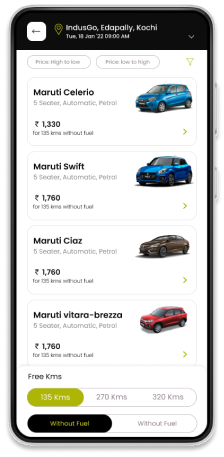
A Chennai to Rameswaram road trip is easier to enjoy when you have the freedom to decide where to stop, how long to stay, and when to continue. With a self-drive car from IndusGo, you can plan the journey around your own schedule instead of following a fixed cab itinerary. This gives you more flexibility to visit temples, coastal spots, Dhanushkodi, and other places along the route at your own pace.
IndusGo offers self-drive car rentals with flexible daily and multi-day options, making it convenient to choose a vehicle based on your travel plans and group size. For a road trip where flexibility matters, having your own rental car can make the journey more comfortable and easier to manage from Chennai to Rameswaram.
Planning your Chennai to Rameswaram road trip? Book a self-drive car with IndusGo and enjoy the freedom to travel your way.